The Veilguard Is Mass Effect 2 in Dragon Age Clothing
That Is Both the Praise and the Problem.

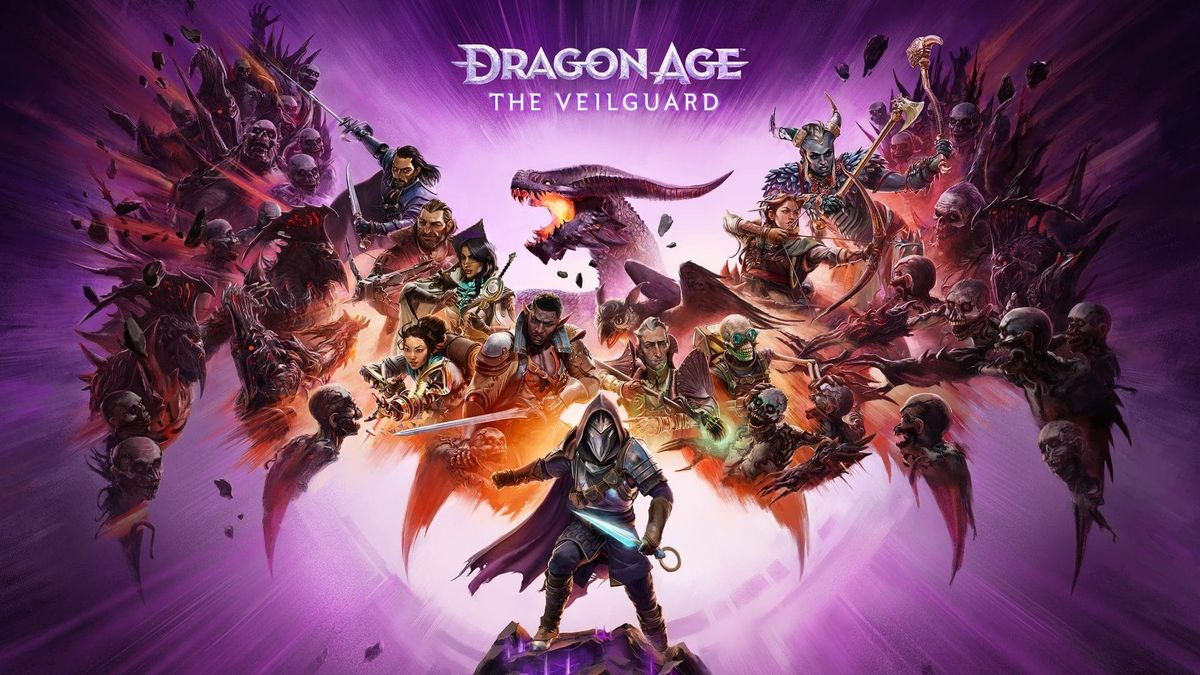
I finished Dragon Age: The Veilguard twice. Two full playthroughs, every companion quest, both sides of the big city decision. So when I say the game is BioWare's second attempt at the Suicide Mission, and that it succeeds at almost everything except knowing what to do after the mission ends, I am not guessing from a half-finished save file.
Video: Oren Cohen's YouTube channel - This is the video version of this essay!
The Suicide Mission, Again
The best part of Mass Effect 2 was never the main villain. It was the crew. You spent the whole game recruiting people, earning their loyalty, and then watching that loyalty get tested in one brutal final mission where anyone could die.
The Veilguard is that game again, in Thedas. The plot is a recruitment drive against the elven gods. The loyalty system is back, dressed up as companion quests and the Hero of the Veilguard status. And the ending sequence tests everything you did or skipped. Companions who are not Heroes might not make it.
Once you see this structure, the whole game makes sense. The highs are ME2 highs. The gaps are the places where Veilguard forgot what made ME2 work after the credits.
The Companions Carry the Game
Dragon Age: Origins had those campfire conversations you could only find by clicking on your companions over and over, hoping they had something new to say. Veilguard fixed that. The map now shows you when someone wants to talk, and it is a genuine quality of life win.
The trade is that the small stuff is gone. You can no longer dig for the extra stories, the ones not tied to the main plot, the conversations that made bonding feel like your own discovery. Every character is well written and well rounded, but the space between the plot beats is empty now. I am mostly satisfied with the new system, but I felt that absence.
The companion quests themselves are the richest Dragon Age has ever had. Lucanis and Neve each hunt a deadly foe. Taash, Harding, and Emmrich go on journeys of self-discovery. Davrin and Bellara dig into the past. Each arc stands on its own, feeds the main plot, and pays off in the ending sequence. This is where the ME2 comparison is a compliment.
The Decision the Game Fumbles
There is one choice that reshapes the entire game: Treviso or Minrathous. One city falls. It is a huge, consequential moment, and it lands far too early.
The game drops it right after you recruit Davrin, before most players have advanced any companion arcs. In my first playthrough I did not even know the Lighthouse map flagged companion conversations, so I hit that decision cold, with no loyalty built and no warning of the weight.
Worse, the game never lets you push back on the consequence. A side quest in the Hossberg Wetlands has you destroy the source of a Blight eruption. So the game knows how to write that story. Why can we not hunt down whatever is blighting Treviso and destroy it too? Instead the fallen city just stays fallen, and the two outcomes are not even symmetrical. Abandoned Treviso becomes blighted. Abandoned Minrathous falls to the Venatori, but the blight never takes hold the same way. It is a strange asymmetry the game never explains.
The Inquisitor Deserved More
My Inquisitor is the sum of every choice I made in Dragon Age: Inquisition, and maybe in the games before it. Veilguard reduces that character to a supporting role in Rook's story.
I understand the design problem. But the game hands you an Eluvian that can travel anywhere, and Harding even takes Emmrich on a trip to Ferelden. The road south exists. We just never get to walk it and see what the gods are doing there, or stand next to the Inquisitor while it happens.
And here is the quiet tell: for the little influence the Inquisitor has, only one version of them really registers, the one who loved Solas and vowed to save him from himself. If your previous playthrough was anything else, Veilguard does not have much to reflect back at you.
Villains That Actually Work
Elgar'nan and Ghilan'nain are fantastic. They are cruel but coherent. They have moral compasses, twisted ones, guiding their actions. They are not chaos for its own sake, and the voice acting sells every scene. I felt something for Ghilan'nain after we slew her Archdemon. I felt Elgar'nan's tyranny when Solas confronted him so I could escape.
One thing did not sit right with me. Both gods are blighted, and everything blighted in previous games was partly or fully insane. These two stay regal and composed. You can explain it away, since the Evanuris are spirits made manifest rather than true gods, but the lore purist in me kept noticing.
The Ending Is the Best Part
The ending sequence is on a different level from the rest of the game. Gut-wrenching decisions, fights with real interactive elements, and a final test of everything you built. The game even gives you a clean cutoff: the last quest warns you it triggers the ending, and the story says you have a month to prepare. Perfect DLC insertion point, if BioWare ever returns.
My advice: do not touch that final quest until your companions are Heroes of the Veilguard and your factions are at Excellent status. The ending will test them, and they might not survive the exam.
And Then, Nothing
Here is where the ME2 comparison turns into an indictment. After the Suicide Mission, Mass Effect 2 let you keep playing. You roamed the galaxy, you played Lair of the Shadow Broker and Arrival, you lived in the world you just saved.
Veilguard gives you slides. The consequences of your choices arrive in broad strokes, and then the game is simply over. No returning to the world, no visiting the factions, no walking through the cities you fought for. And because companions only talk when they have something scripted to say, the stretch after finishing all the side content feels hollow and lonely even before the ending.
Origins and Inquisition were stuffed with side quests, and Inquisition gave you an organization with fortresses and power to build. Rook gets none of that. If I could change one thing about Veilguard, it would be this. Let me stay. The world is beautiful, my aging gaming PC ran it on Ultra without breaking a sweat, and Rook reacts to everything around them, from blight to scenery. A world this alive deserves to be lived in after the fight is won.
I do not expect it to happen. BioWare has moved on to the next Mass Effect. But if they ever come back for DLC, Veilguard needs its Citadel.
The Verdict
The Veilguard is a very good game wearing the structure of a great one. The companions, the villains, and the ending sequence are BioWare at full strength. The early placement of its biggest decision, the sidelined Inquisitor, and the total absence of post-ending play are the gaps between good and great.
It borrowed the Suicide Mission. Next time, borrow what came after it too.
What do you think? Did the ending land for you, or did the empty screen after the slides bother you as much as it bothered me? Hit reply if you are reading this in the newsletter, or leave a comment below. And if you want more essays like this one, subscribe to the newsletter so the next one lands in your inbox.


